Would you like to switch to the accessible version of this site?

Go to accessible site Close modal window

Don't need the accessible version of this site?

Hide the accessibility button Close modal window
Accessibility View Close toolbar
Murphy Eye Clinic

318-687-3708

Open mobile navigation
  • Home
  • New Patient Center
    • Online Forms
  • Eyecare Services
    • Contact Lens Exams
    • Eye & Vision Exams
    • Lasik Eye Surgery
    • Eye Surgery
    • Hard to Fit Contacts
    • Vision Therapy FAQs
    • Computer Vision
    • Sunglasses
  • WALMART Vision FAQs
  • Frame Selection
  • Insurance Info
  • About Us
    • Meet The Optometrist
    • Meet The Staff
  • Contact Us
  • Community Content
    • Common Eye Conditions
      • Age-Related
      • Cognitive and Acquired
      • Vision Impairment
      • Injury & Irritation
      • Eye Lids
      • Changes in Appearance
    • Contact Lenses
    • Eye Diseases
    • Eyeglasses
      • Eyeglass Lenses
    • Eye Symptoms
    • How the Eyes Work
      • Basic Visual Skills
    • Pediatric Vision
    • Protecting Your Eyes
    • Visual Rehabilitation
    • Vision Problems
    • What is Vision Therapy
    • Vision Therapy Programs
    • We Can Help With
      • Cataracts
      • Corneal Disorders
        • Disorders
      • Glaucoma
      • Refractive Disorders
      • Adult Strabismus
      • Retinal Disorders
    • Newsletters
      • Glasses & Frames
      • Contacts
      • Tips for Healthy Eyes
      • Conditions That Affect Vision
      • Kid's Vision
      • Amazing, Interesting Eyes
      • Medical Perspectives
  • Home >
  • Articles >
  • Newsletters >
  • September Newsletter: How Your Environment Affects Your Eyewear Choice

September Newsletter: How Your Environment Affects Your Eyewear Choice

  • Created in Newsletters

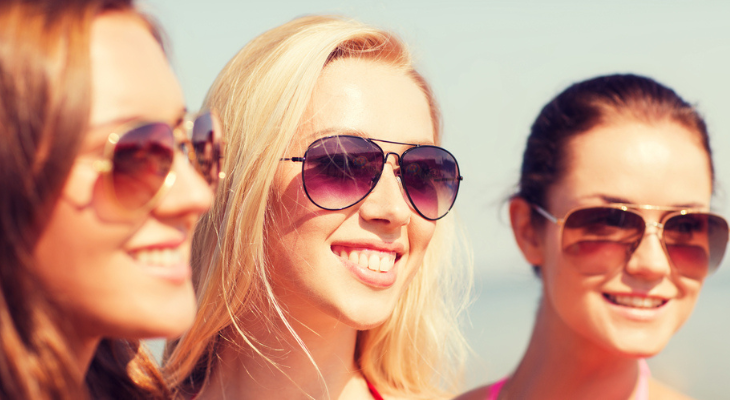
Women wearing sunglasses on the beach.

How Your Environment Affects Your Eyewear Choice

Imagine wearing a rain coat every day of the year, no matter what the weather conditions are. Although you'd be appropriately dressed for rainy days, your coat wouldn't do much to protect you from the bitter cold during the winter and would be much too hot on a balmy summer day. The same principal applies to your eyewear. Matching your eyewear with your environment could help you avoid irritation or injuries.

Spending Time Outdoors on a Sunny Day?

Sun protection is essential 365 days of the year. Although the sun's rays aren't as intense during the winter or on cloudy days, ultraviolet (UV) light can still damage your eyes. Long-term exposure to UV light may increase your risk for cataract development, macular degeneration, and skin cancer. Sunglasses keep your eyes moister on hot days and protect your eyes from sand and other airborne debris on windy days.

Polarized sunglasses reduce glare and improve contrast. They're a good choice for anyone but can be particularly helpful if you spend a lot of time in the snow or sand. Both surfaces reflect light, intensifying the effects of the sun. Wearing sunglasses can also help you avoid photokeratitis, sunburn that affects the eyes.

Do you wear contact lenses? Some lens manufacturers offer styles that offer protection against UV light. Because the lenses don't completely cover the eyes, you'll still need to wear sunglasses for maximum protection.

If you normally wear prescription eyeglasses outdoors, talk to your optometrist about prescription sunglasses or goggles. They're available in many styles and protect your eyes from the sun while offering clear, crisp vision.

Do You Work Around Dust and Debris?

Prescription or non-prescription safety goggles or glasses are a must if you spend any time around dust, debris, or chemicals. Eye protection is equally important if you're at work, mowing your lawn, or sanding an old door. If there's any possibility that a task that could produce airborne debris, put on your safety specs.

Staying Safe from Pollution and Smoke

Air pollution triggers air quality alerts throughout the year in every state in the US. Pollution and smoke travel on wind currents and even affect those who don't live in a major city or near a manufacturing plant. In addition to drying and irritating your eyes, pollution could increase your risk of age-related macular degeneration (AMD), according to a study published in the British Journal of Ophthalmology. AMD affects your central vision and can cause blind spots or blurry vision.

Keep an eye on the air quality index for your area, available on weather websites, and plan accordingly. If the index is high, stay indoors if you can. If not, wear sunglasses or goggles when you're out and use lubricating eyedrops to moisten your eyes.

Every summer, one or more areas of the US are affected by wildfire smoke. Smoke causes breathing difficulties and irritates your eyes. After spending time outdoors, your eyes may burn and itch and look red. If you must go outside when the air is smoky, put on a pair of goggles or wraparound sunglasses.

Leave your contact lenses in their case on smoky days. Sooty debris can become trapped under your lenses, irritating your eyes.

In the Water

Goggles (either prescription or non-prescription) are a good choice if you plan to spend the day at the beach or pool. The eyewear stops bacteria from entering your eyes and prevents eye irritation from salt and chlorine.

Do you wear your contact lenses at the beach? That's not a good idea, according to the American Optometric Association. Germs in the water can stick to your contacts, causing a serious eye infection. In fact, it's not a good idea to expose your contacts to water at all, whether it's in the shower, hot tub, ocean, lake, stream, or pool.

On a Plane

Low humidity in airplanes may make your skin and eyes feel dry. Bring artificial tears or lubricating eye drops in your carry on bag and use them often during your flight. Tempted to wear your contact lenses when you fly? Unfortunately, contact lenses dry out quickly when you're in the air. Wear your glasses or bring rewetting solution to use throughout the flight.

Is it time to update your eyeglass or contact lens prescriptions or upgrade your eyewear? Contact our office to make your appointment with the eye doctor.

Sources:

American Optometric Association: Environments

https://www.aoa.org/healthy-eyes/vision-and-vision-correction/environments?sso=y

All About Vision: Wildfire Smoke and Your Eyes, 11/5/2019

https://www.allaboutvision.com/eye-care/wildfire-smoke-and-vision/

British Journal of Ophthalmology: Association of Ambient Air Pollution with Age-Related Macular Degeneration and Retinal Thickness in the UK, 5/2022

https://pubmed.ncbi.nlm.nih.gov/33495162/

National Eye Institute: Protecting Your Eye from the Sun’s UV Light?, 7/5/2022

https://www.nei.nih.gov/about/news-and-events/news/protecting-your-eyes-suns-uv-light

  • Common Eye Conditions
    • Age-Related
    • Cognitive and Acquired
    • Vision Impairment
    • Injury & Irritation
    • Eye Lids
    • Changes in Appearance
  • Contact Lenses
  • Eye Diseases
  • Eyeglasses
    • Eyeglass Lenses
  • Eye Symptoms
  • How the Eyes Work
    • Basic Visual Skills
  • Pediatric Vision
  • Protecting Your Eyes
  • Visual Rehabilitation
  • Vision Problems
  • What is Vision Therapy
  • Vision Therapy Programs
  • We Can Help With
    • Cataracts
    • Corneal Disorders
      • Disorders
    • Glaucoma
    • Refractive Disorders
    • Adult Strabismus
    • Retinal Disorders
  • Newsletters
    • Glasses & Frames
    • Contacts
    • Tips for Healthy Eyes
    • Conditions That Affect Vision
    • Kid's Vision
    • Amazing, Interesting Eyes
    • Medical Perspectives

All patients receive 20% OFF on second complete pair of eye glasses.

Error!

    Featured Links

    Click to find out more

    • Services

      We strive to provide complete care for our patients. Learn more about all the services we provide.
    • Make An Appointment

      We will do our best to accommodate your busy schedule. Schedule an appointment today!
    • Online Forms

      Our patient forms are available online so they can be completed in the convenience of your own home or office.

    Hours of Operation

    Our Regular Schedule

    Monday:

    9:00 am-5:00 pm

    Tuesday:

    9:00 am-5:00 pm

    Wednesday:

    9:00 am-5:00 pm

    Thursday:

    9:00 am-5:00 pm

    Friday:

    9:00 am-5:00 pm

    Saturday:

    Closed

    Sunday:

    Closed

    Locations

    Find us on the map

    Testimonials

    Reviews From Our Satisfied Patients

      We use Anderson Optometry for all of our family’s vision needs. Recently, we had to have our youngest fitted for new glasses and he made the experience fun for her and informative for us. We know Dr. Anderson will always take good care of our family’s eye care and that’s why we wouldn’t go to anywhere else.

      The Harrison Family

      Dr. Anderson and his staff are so patient and friendly. Dr. Anderson prescribed me glasses and I had the toughest time picking out frames. They didn’t rush, but instead made helpful suggestions and now I have an awesome pair of frames, not to mention the fact that I can see ten times better than before. You guys are the best!

      Shelly

      I’ve been going to Dr. Anderson for over five years now and even though I only see him once a year for my annual exam, he and his staff always make me feel very welcome and take care of all my eye care needs. Anderson Optometry is the best at what they do and make you feel right at home.

      Anthony

    Featured Articles

    Read up on informative topics

      March Newsletter: Top Signs You Need to See an Optometrist

      Do you need to make an appointment with the eye doctor? ...

      Read More

      March Newsletter: How Dehydration Affects Your Eye Health

      Do you know how dehydration affects your eyes? ...

      Read More

      February Newsletter: How to Prepare for an Eye Exam

      Are you ready for your eye exam? ...

      Read More

      February Newsletter: What are Eye Floaters and When Should You Seek Treatment?

      Do you know when eye floaters need treatment? ...

      Read More

      January Newsletter: Why You Should Not Ignore Dry Eye Symptoms

      Are your eyes dry? Find out why you shouldn't overlook your symptoms. ...

      Read More

      January Newsletter: How the 20-20-20 Rule Can Reduce Eye Strain

      Struggling with eye strain? This simple rule can help. ...

      Read More

      December Newsletter: The Best Contact Lenses for Dry Eyes

      Need to find more comfortable contacts for your dry eyes? Take a look at these options. ...

      Read More

      December Newsletter: Daily Habits That Affect Your Vision

      Could your daily habits harm your eyesight? ...

      Read More

      November Newsletter: Why It's Important to Have an Extra Pair of Eyeglasses or Contact Lenses

      Do you have an extra pair of eyeglasses or contact lenses? ...

      Read More

      November Newsletter: The Advantages of Rimless Eyeglasses

      Are rimless eyeglasses right for you? ...

      Read More

    Newsletter Signup

    Sign up for more articles

    Error!

      Social Media

      • Copyright © 2026 MH Sub I, LLC dba iMatrix.
      • Admin Log In